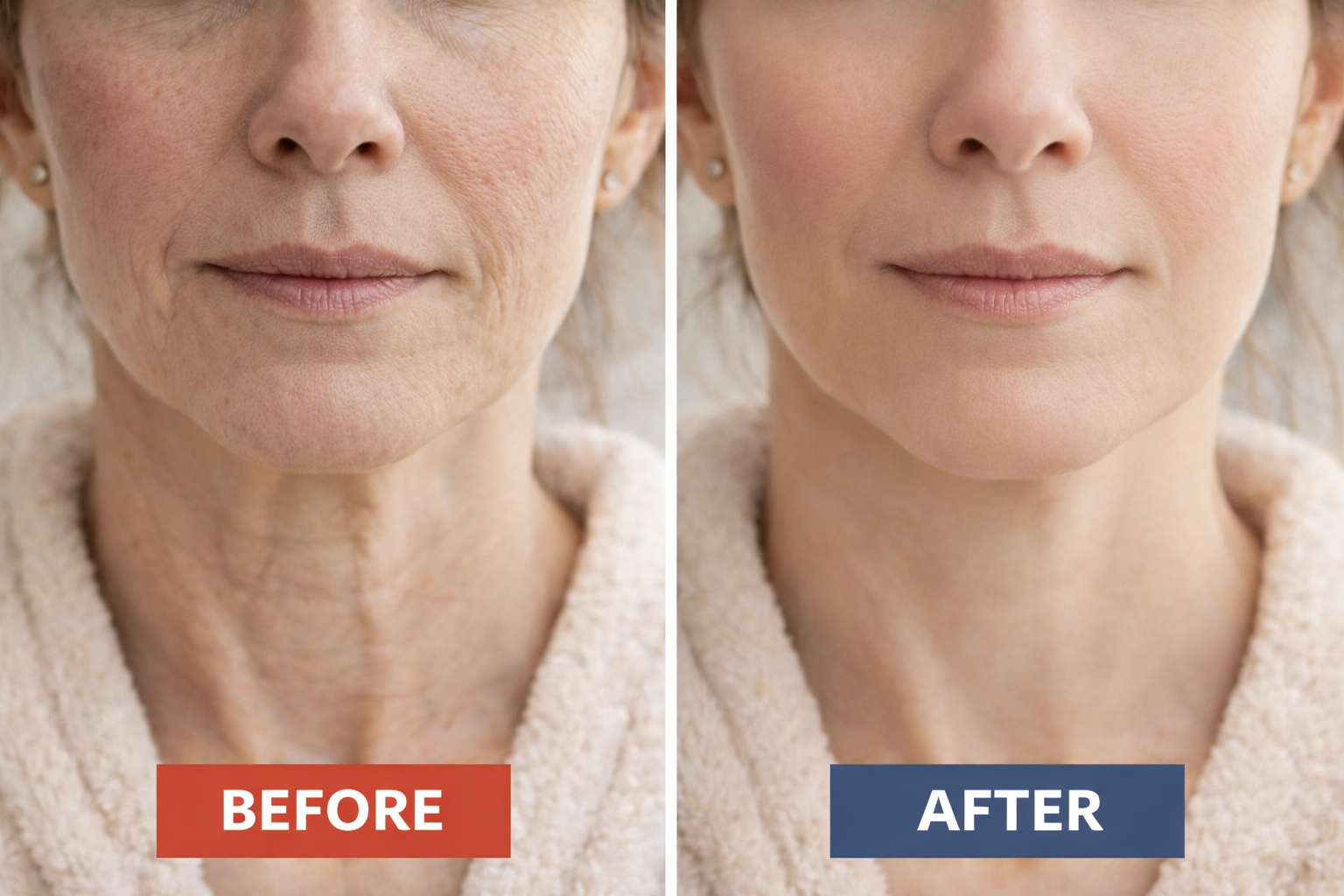
If you’re over 40 and trying to decide between hyaluronic acid and niacinamide, you’re not alone. As skin ages, it naturally loses hydration, elasticity, and barrier strength. Fine lines become more visible, dryness increases, and texture can feel uneven.
Both hyaluronic acid and niacinamide are powerful skincare ingredients—but they work in completely different ways. In this guide, we’ll compare hyaluronic acid vs niacinamide, explain how each one benefits aging skin, and help you choose the right ingredient for your specific skin concerns.
What Is Hyaluronic Acid?
Hyaluronic acid is a hydrating ingredient that attracts and holds water in the skin. In fact, it can hold up to 1,000 times its weight in water.
As we age, natural moisture levels decline. This leads to dryness, dullness, and fine lines that look deeper than they actually are. Hyaluronic acid helps:
- Instantly hydrate the skin
- Plump fine lines caused by dryness
- Improve smoothness
- Restore a fresh, dewy appearance
Best for:
- Dry or dehydrated skin
- Tightness after cleansing
- Dull complexion
- Fine lines from moisture loss
If your skin feels dry by midday or makeup settles into fine lines, hyaluronic acid can make an immediate difference.
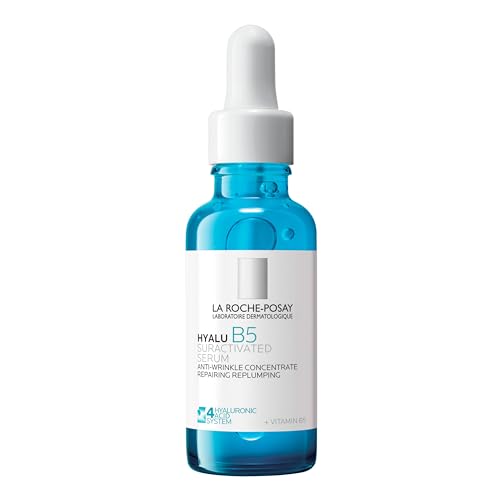
- Ultra Hydrating Hyaluronic Acid Serum for Barrier Repair: Deeply hydrates, plumps skin to the touch, and restores the mo…
- Targeted Anti-Aging & Skin Repair: A super-activated hydrating serum designed to target anti-aging concerns, reducing fi…
- Formulated for Rich, Plump Hydration: Features pure hyaluronic acid, glycerin, and vitamin B5 for optimal hydration, ric…
What Is Niacinamide?
Niacinamide (Vitamin B3) is a multi-tasking ingredient that strengthens the skin barrier and improves overall skin quality.
For women over 40, niacinamide is especially beneficial because it:
- Reduces the appearance of enlarged pores
- Improves uneven skin tone
- Calms redness
- Supports collagen production
- Strengthens the skin barrier
Unlike hyaluronic acid, which works instantly, niacinamide improves skin gradually over time.
Best for:
- Enlarged pores
- Uneven texture
- Redness or sensitivity
- Oily or combination skin
- Early signs of aging
If your concern is firmness, tone, or pore size, niacinamide may be the better choice.

- [Lightweight Hydrating Texture] Non-greasy watery lightweight texture that absorbs easily and leaves skin feeling hydrat…
- [Korean Glass Skin] Containing 10% Niacinamide, 4% Tranexamic Acid, and 2% Arbutin, a concentrated trio to help improve …
- [Daily Dark Spot Care] Infused with ceramides and hyaluronic acid to keep skin feeling comfortable and moisturized while…
Hyaluronic Acid vs Niacinamide: Key Differences
| Hyaluronic Acid | Niacinamide |
|---|---|
| Provides deep hydration | Strengthens skin barrier |
| Plumps fine lines instantly | Improves texture long term |
| Best for dryness | Best for tone & pores |
| Works immediately | Works gradually |
Think of it this way:
Hyaluronic acid = hydration boost
Niacinamide = skin strength & balance
Which Is Better for Dry Skin Over 40?
If dryness is your main concern, hyaluronic acid is usually the better option — especially for women over 40. As we age, our skin naturally produces less oil and loses moisture more quickly. This leads to tightness, flakiness, and fine lines that appear deeper due to dehydration.
Hyaluronic acid works by attracting water into the skin and helping it retain moisture. When applied correctly (on slightly damp skin and followed by a moisturizer), it can instantly improve:
- Tight or uncomfortable skin
- Fine lines caused by dehydration
- Rough texture
- Makeup settling into creases
Many women over 40 notice that their skin looks “tired” or dull. In many cases, this isn’t just aging — it’s dehydration. Hyaluronic acid can quickly restore that plump, refreshed appearance.
However, extremely dry or mature skin often has a weakened skin barrier. This means moisture escapes easily, even if you’re using hydrating products. That’s where niacinamide becomes important.
Niacinamide helps strengthen the skin barrier by supporting ceramide production. A stronger barrier reduces water loss and makes hydration last longer. So while hyaluronic acid provides immediate moisture, niacinamide helps your skin hold onto that moisture throughout the day.
For very dry, thinning, or menopausal skin, the most effective strategy is often layering both:
- Apply hyaluronic acid to attract moisture
- Follow with niacinamide to reinforce the barrier
- Seal with a nourishing moisturizer
This combination delivers both instant plumping and long-term improvement in dryness and skin resilience.
If your skin feels tight by midday or looks dull despite using moisturizer, you may need hydration (hyaluronic acid) plus barrier repair (niacinamide) — not just one or the other.
Which Is Better for Aging or Uneven Skin?
If your main concerns are:
- Uneven skin tone
- Enlarged pores
- Loss of firmness
- Rough or textured skin
- Dullness that doesn’t improve with moisturizer
Niacinamide may offer more noticeable improvement over time — especially for women over 40.
As we age, skin cell turnover slows down and collagen production decreases. This can lead to uneven pigmentation, visible pores, and a loss of elasticity. The skin may also appear thinner and less resilient.
Niacinamide works differently from hyaluronic acid. Instead of simply adding moisture, it helps improve how your skin functions at a deeper level.
Niacinamide can:
- Support collagen production
- Improve skin elasticity
- Strengthen the protective barrier
- Reduce redness and inflammation
- Balance oil production
- Minimize the appearance of pores
For aging skin, barrier strength becomes increasingly important. A weakened barrier allows moisture to escape and environmental stress to penetrate more easily. Niacinamide helps rebuild and maintain that barrier by supporting ceramide production.
Over time, this leads to:
- Smoother texture
- More even tone
- Reduced appearance of enlarged pores
- Improved firmness
If your skin feels dull or uneven despite being hydrated, the issue may not be moisture — it may be skin structure and barrier health. In that case, niacinamide addresses the root cause rather than just the surface symptom.
For women experiencing early signs of sagging, rough patches, or uneven pigmentation, niacinamide can provide gradual but meaningful improvement when used consistently.
And just like with dry skin, the most effective routine for aging skin often includes both ingredients:
- Hyaluronic acid for hydration
- Niacinamide for structural support and tone correction
Together, they help create skin that is not only plump — but stronger and more resilient over time.
Can You Use Hyaluronic Acid and Niacinamide Together?
Yes — and for many women over 40, using hyaluronic acid and niacinamide together is actually the most effective strategy.
These two ingredients do not cancel each other out. Instead, they complement each other beautifully because they target different aspects of skin aging.
Hyaluronic acid focuses on hydration.
Niacinamide focuses on strengthening and balancing the skin.
When used together, they address both immediate dryness and long-term skin resilience.
Why They Work So Well Together
After 40, skin typically struggles with two main issues:
- Loss of hydration
- Weakened barrier function
Hyaluronic acid attracts water into the skin, instantly plumping fine lines and improving smoothness. However, if the skin barrier is weak, that hydration can evaporate quickly.
Niacinamide helps solve that problem by strengthening the barrier and supporting ceramide production. A stronger barrier means your skin can hold onto the moisture that hyaluronic acid provides.
In simple terms:
Hyaluronic acid brings the water in.
Niacinamide helps keep it there.
How to Layer Hyaluronic Acid and Niacinamide
Using hyaluronic acid and niacinamide together can deliver powerful results — but proper layering makes a difference, especially for women over 40.
As skin matures, it becomes thinner, more sensitive, and slower to recover. Applying products in the correct order ensures maximum absorption while minimizing irritation.
Step-by-Step Layering Guide
1. Cleanse Gently
Start with a mild, non-stripping cleanser. Mature skin loses natural oils more easily, so avoid harsh foaming cleansers that leave skin feeling tight.
Pat your skin lightly — do not rub aggressively.
2. Apply Hyaluronic Acid to Damp Skin
Hyaluronic acid works best when applied to slightly damp skin.
Why?
Because it attracts water. If applied to completely dry skin in a dry environment, it may pull moisture from deeper layers instead of the surface.
To apply:
- Lightly mist your face or leave it slightly damp after cleansing
- Apply 1–2 drops of hyaluronic acid serum
- Gently press into the skin (don’t rub aggressively)
This step delivers immediate hydration and helps plump fine lines caused by dehydration.
3. Follow With Niacinamide Serum
Once the hyaluronic acid has absorbed (usually 30–60 seconds), apply niacinamide.
Niacinamide helps:
- Strengthen the skin barrier
- Improve texture and tone
- Reduce redness
- Support collagen production
Applying it after hyaluronic acid allows the hydration to settle into the skin first, while niacinamide works to reinforce and protect.
Use a thin layer and gently press into the skin.
4. Seal With Moisturizer
This step is critical — especially after 40.
Hyaluronic acid draws moisture in, but moisturizer helps lock it in. Without a moisturizer, hydration can evaporate more quickly.
Look for moisturizers containing:
- Ceramides
- Peptides
- Glycerin
- Squalane
These ingredients support mature skin and enhance barrier repair.
5. Always Apply Sunscreen in the Morning
If using this routine during the day, finish with a broad-spectrum SPF 30 or higher.
After 40, UV damage accelerates collagen loss and pigmentation. Protecting your skin ensures that your niacinamide and hydration efforts aren’t undone.
Morning vs. Night Layering
You can use both ingredients morning and night.
Morning:
- Creates a smooth base for makeup
- Prevents midday dryness
- Supports barrier protection
Night:
- Enhances overnight repair
- Improves long-term tone and elasticity
If your skin is sensitive, start once daily before increasing frequency.
Common Layering Mistakes to Avoid
- Applying hyaluronic acid on completely dry skin
- Skipping moisturizer afterward
- Using very high concentrations of niacinamide too quickly
- Over-layering too many active ingredients at once
For women over 40, simpler routines often produce better results.
Hydrate → Strengthen → Protect.
Pro Tip for Mature Skin
If your skin feels tight by midday, try this adjustment:
- Apply hyaluronic acid
- Layer niacinamide
- Use a richer moisturizer at night
- Add a facial oil as the final step in colder months
This prevents transepidermal water loss and supports elasticity.
Can They Cause Irritation When Used Together?
In most cases, hyaluronic acid and niacinamide are considered very gentle and safe to use together — even for sensitive or mature skin.
However, skin over 40 can sometimes be more reactive than it used to be. Hormonal shifts, thinning skin, and a weakened barrier can increase sensitivity, especially when introducing new products.
Why They’re Usually Well Tolerated
Hyaluronic acid is a hydrating molecule that already exists naturally in the skin. It doesn’t exfoliate or increase cell turnover, which makes it unlikely to cause irritation on its own.
Niacinamide is also known for being barrier-supportive and anti-inflammatory. In fact, it’s often recommended for:
- Redness-prone skin
- Rosacea-prone skin
- Post-acne sensitivity
- Compromised skin barriers
When used in moderate concentrations, both ingredients are typically calming rather than irritating.
When Irritation Might Occur
That said, irritation can happen in certain situations:
- Using very high concentrations of niacinamide (10% or higher)
- Layering too many active ingredients at once
- Applying products to a damaged or over-exfoliated barrier
- Mixing with strong acids or retinoids without adjusting routine
For women over 40 who may already be using retinol or exfoliating acids, introducing multiple actives at the same time can overwhelm the skin.
Symptoms of irritation may include:
- Stinging or burning
- Redness
- Tightness that doesn’t improve
- Small bumps or rough patches
How to Reduce the Risk of Irritation
If you’re concerned about sensitivity, follow these guidelines:
- Start with lower concentrations (2–5% niacinamide is often ideal)
- Introduce one product at a time
- Use once daily before increasing to twice daily
- Avoid pairing with strong exfoliants in the same routine initially
- Always follow with a barrier-supporting moisturizer
For very sensitive skin, you can also:
- Apply moisturizer first
- Then apply niacinamide
- Finish with another thin layer of moisturizer
This technique, sometimes called “buffering,” reduces the chance of irritation.
What About the Myth That They Shouldn’t Be Used Together?
You may have heard that niacinamide shouldn’t be combined with certain ingredients due to pH concerns. Modern formulations are stable, and hyaluronic acid does not negatively interact with niacinamide.
There is no scientific reason to avoid using them together in a well-formulated skincare routine.
Who Should Be Cautious?
If you have:
- Active eczema
- Severe rosacea
- Recently over-exfoliated skin
- Post-procedure skin (like after a peel or laser treatment)
It’s best to simplify your routine and consult a dermatologist before layering actives.
The Bottom Line
For most women over 40, hyaluronic acid and niacinamide are not only safe together — they are often ideal companions.
Used properly, they hydrate, strengthen, and calm the skin rather than irritate it.
If irritation occurs, it’s usually due to overuse, high concentrations, or combining too many actives — not because the two ingredients conflict.
Start gently, support your barrier, and your skin should respond well.
Morning or Night?
Both hyaluronic acid and niacinamide can be used in the morning and at night. However, the benefits may vary slightly depending on when you apply them — especially for women over 40.
As skin matures, it needs both daytime protection and nighttime repair. Using these ingredients strategically can maximize their results.
Using Hyaluronic Acid in the Morning
Applying hyaluronic acid in the morning helps:
- Prevent midday dryness
- Create a smoother base for makeup
- Plump fine lines before foundation
- Reduce tightness throughout the day
Mature skin often loses moisture more quickly, particularly in air-conditioned or heated environments. Morning application helps maintain hydration levels and keeps skin looking fresher.
Always follow with moisturizer and sunscreen to lock in hydration and protect against UV damage.
Using Niacinamide in the Morning
Niacinamide is excellent for daytime use because it:
- Strengthens the skin barrier
- Reduces redness
- Helps regulate oil production
- Improves resilience against environmental stress
After 40, skin becomes more vulnerable to pollution and sun exposure. Niacinamide supports the barrier, helping your skin defend itself throughout the day.
When used under sunscreen, it enhances overall skin protection.
Using Hyaluronic Acid at Night
Nighttime is when your skin naturally repairs itself.
Using hyaluronic acid at night:
- Replenishes moisture lost during the day
- Supports overnight skin recovery
- Enhances the absorption of other treatment products
If you use retinol or exfoliating acids, layering hyaluronic acid first can help reduce dryness and irritation.
Using Niacinamide at Night
Niacinamide is also highly effective at night because it:
- Supports collagen production
- Helps repair barrier damage
- Reduces inflammation
- Improves tone and texture over time
For aging skin, nighttime is when long-term improvements occur. Consistent evening use of niacinamide can gradually improve firmness and smoothness.
Should You Use Them Twice a Day?
Most women over 40 can safely use both ingredients morning and night.
However:
- If your skin is sensitive, start once daily
- If using retinol, use niacinamide in the same routine to reduce irritation
- If dryness is severe, prioritize nighttime hydration
Consistency matters more than frequency.
What’s the Best Routine for Women Over 40?
For balanced, resilient skin:
Morning:
Cleanser → Hyaluronic Acid → Niacinamide → Moisturizer → SPF
Night:
Cleanser → Hyaluronic Acid → Niacinamide → Moisturizer
(+ Retinol if part of your routine)
This approach supports hydration, barrier strength, and long-term anti-aging benefits.
The Bottom Line
There’s no strict rule that limits hyaluronic acid or niacinamide to morning or night.
For mature skin, using both consistently — in both routines — often delivers the best results.
Hydrate in the morning.
Repair at night.
Protect every day.
Is Using Both Better Than Choosing One?
For many women over 40, using both hyaluronic acid and niacinamide is often more effective than choosing just one.
The reason is simple: aging skin doesn’t usually have just one problem.
After 40, skin typically experiences multiple changes at the same time:
- Reduced natural hydration
- Slower collagen production
- Weakened barrier function
- Uneven tone
- Loss of elasticity
Hyaluronic acid and niacinamide target different aspects of these changes.
Hyaluronic acid addresses hydration immediately. It helps plump fine lines caused by dryness and gives skin a smoother appearance within minutes.
Niacinamide, on the other hand, works gradually. It strengthens the barrier, improves elasticity, refines pores, and supports overall skin resilience over time.
If you choose only hyaluronic acid, your skin may feel hydrated — but texture, tone, and firmness may still need improvement.
If you choose only niacinamide, your skin structure may improve — but it could still feel tight or dehydrated.
Using both creates a more complete approach:
- Immediate hydration
- Long-term strengthening
- Improved tone and texture
- Better moisture retention
- Enhanced elasticity
For mature skin, balance is key. Hydration without barrier support doesn’t last. Barrier support without hydration can feel insufficient.
When layered correctly, these ingredients complement each other rather than compete.
When Choosing One May Be Enough
There are situations where starting with one ingredient makes sense:
If your primary concern is:
- Tight, dehydrated skin → Start with hyaluronic acid
If your main concern is:
- Enlarged pores or uneven tone → Start with niacinamide
You can always introduce the second ingredient once your skin adjusts.
The Long-Term Strategy for Women Over 40
Aging skin benefits most from routines that address multiple concerns gently and consistently.
Instead of aggressively treating one issue at a time, combining hydration and barrier support creates sustainable improvement.
Over time, this balanced approach leads to:
- Skin that looks fuller
- More even tone
- Fewer visible pores
- Improved elasticity
- Greater overall resilience
The goal isn’t just plump skin for a few hours — it’s stronger skin long term.
The Bottom Line
For many women over 40, using both hyaluronic acid and niacinamide offers the most balanced and effective results.
They are not competitors.
They are complementary tools that work better together than alone.
Hydrate. Strengthen. Maintain.
That’s the foundation of healthy, resilient skin after 40.
Frequently Asked Questions
Can I use hyaluronic acid and niacinamide every day?
Yes. Both are safe for daily use and suitable for most skin types.
Which ingredient is better for wrinkles?
Hyaluronic acid plumps fine lines instantly, while niacinamide improves skin quality over time.
Is niacinamide drying?
No. It actually strengthens the skin barrier, especially when paired with hydrating ingredients.
Should I use them in the morning or at night?
Both can be used morning and night. Always apply sunscreen during the day.
Final Thoughts
When comparing hyaluronic acid vs niacinamide, it’s important to remember that aging skin over 40 rarely has just one concern.
It’s not just about dryness.
It’s not just about pores.
And it’s not just about fine lines.
After 40, skin begins to change structurally. Hydration levels decline, collagen production slows, and the skin barrier becomes more fragile. That’s why choosing the right ingredients becomes more important than ever.
Hyaluronic acid offers immediate relief. It replenishes lost moisture, smooths the appearance of fine lines, and gives tired skin a fresher, more plumped look.
Niacinamide works more gradually. It strengthens the skin barrier, improves texture, supports elasticity, and helps create a more even tone over time.
If your skin feels tight and dehydrated, hyaluronic acid may give you the quick boost you need.
If your skin looks uneven, dull, or less firm than it used to, niacinamide may help rebuild resilience and improve overall skin quality.
But for many women over 40, the most effective strategy isn’t choosing one — it’s using both in a balanced, consistent routine.
Hydration without barrier support doesn’t last.
Barrier support without hydration can feel incomplete.
Together, these ingredients create a foundation for skin that is:
- Smoother
- More resilient
- Better hydrated
- More even in tone
- Healthier overall
The goal isn’t to chase perfect skin — it’s to support skin that changes naturally with age while keeping it strong, balanced, and well cared for.
Start with the concern that bothers you most. Introduce ingredients gradually. Focus on consistency rather than intensity.
Healthy skin after 40 isn’t about using more products — it’s about using the right ones.
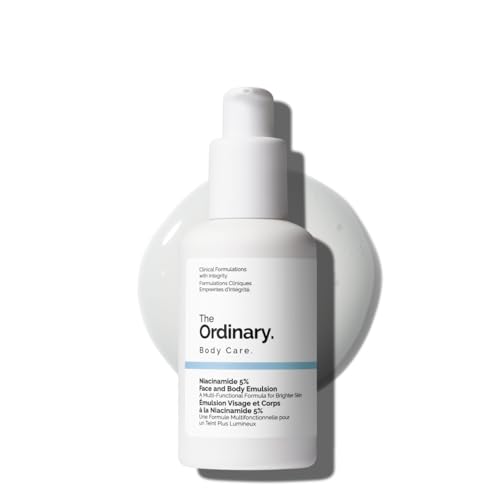
- FADE DARK SPOTS: Formulated with 5% niacinamide to reduce the appearance of dark spots on the face and body, promoting a…
- TARGETS UNEVEN SKIN: Effectively brightens and evens the appearance of skin tone across the face, neck, chest, and arms,…
- SMOOTH AND HYDRATE: Instantly hydrates and smooths skin texture, leaving it softer after just one week of use.
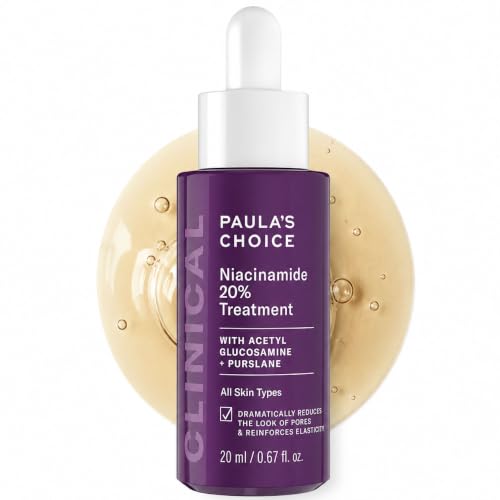
- DIMINISH LARGE PORES: 20% Niacinamide Booster face serum visibly tightens & refines the look of stretched, sagging pores…
- IMPROVE SKIN TONE: This vitamin C face serum with licorice root visibly brightens skin and improves blotchy tone, discol…
- MINIMIZE HARD, CLOGGED BUMPS: The facial serum targets hard, clogged bumps and congested pores, helping to smooth rough,…