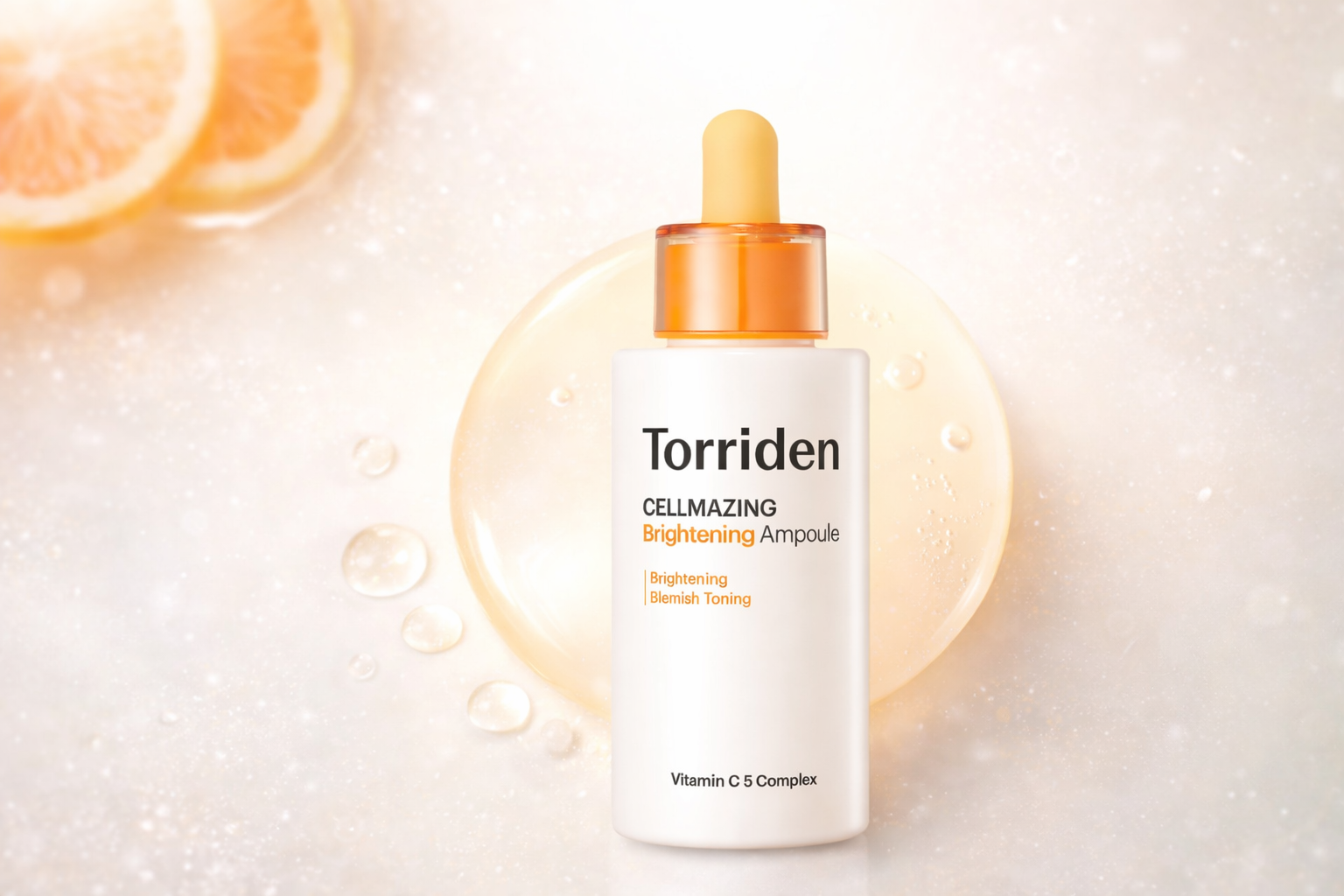

Azelaic acid vs vitamin C — which is better for dark spots? Both ingredients can help improve the appearance of hyperpigmentation and uneven skin tone, but they work in different ways and may suit different skin types. In this guide, I’ll compare azelaic acid and vitamin C for dark spots, sensitive skin, and everyday use so you can decide which one is right for your skincare routine.
| Feature | Azelaic Acid | Vitamin C |
|---|---|---|
| Best for Dark Spots | ⭐⭐⭐⭐⭐ | ⭐⭐⭐⭐☆ |
| Sensitive Skin | ⭐⭐⭐⭐⭐ | ⭐⭐⭐☆☆ |
| Acne Marks | ⭐⭐⭐⭐⭐ | ⭐⭐☆☆☆ |
| Brightening | ⭐⭐⭐⭐☆ | ⭐⭐⭐⭐⭐ |
| Anti-Aging | ⭐⭐⭐☆☆ | ⭐⭐⭐⭐⭐ |
| Daily Use | Yes | Yes (with SPF) |
What Is Azelaic Acid?
Azelaic acid is a naturally occurring dicarboxylic acid found in grains like wheat, barley, and rye. In skincare, it’s used in concentrations typically ranging from 10% (over-the-counter) to 15–20% (prescription) to treat hyperpigmentation, acne, and redness.
What makes azelaic acid stand out is its multi-tasking ability. It inhibits tyrosinase, an enzyme involved in melanin production, which helps fade dark spots and post-acne marks over time. It also has antibacterial and anti-inflammatory properties, making it a popular pick for people dealing with both acne and the dark marks it leaves behind. Because it’s non-photosensitizing, it’s suitable for daytime use.
Azelaic acid is often well tolerated, including by many people with sensitive or redness-prone skin, but it can still cause stinging, dryness, itching, or irritation, especially during the first few weeks. If you have deeper skin tone, it’s worth watching for any signs of lightening beyond the treated spot and checking in with a dermatologist if that happens.
If you’re interested in learning more, check out my in-depth review of The Ordinary Azelaic Acid Suspension 10% for a closer look at its texture, pros, cons, and who it’s best for.
What Is Vitamin C?
Vitamin C (most commonly L-ascorbic acid in skincare) is one of the most researched antioxidants in dermatology. It works primarily by neutralizing free radicals caused by UV exposure and pollution, which helps prevent new pigmentation from forming while also brightening existing discoloration.
Beyond its antioxidant role, vitamin C inhibits melanin synthesis and supports collagen production, giving it a reputation as an anti-aging and brightening powerhouse. It’s typically formulated at concentrations between 10% and 20%. Vitamin C is commonly used in the morning because of its antioxidant role, followed by broad-spectrum sunscreen — though the best schedule is the one your skin tolerates and that you’ll actually use consistently.
The tradeoff is stability and tolerability. L-ascorbic acid is notoriously unstable — it can oxidize and lose potency when exposed to light, air, or heat — and at higher concentrations it can cause stinging, redness, or irritation, especially for sensitive or reactive skin.
Key Differences Between Azelaic Acid and Vitamin C
The two ingredients tackle dark spots from different angles. Azelaic acid works more slowly and steadily, focusing on calming inflammation and blocking excess melanin production, which makes it especially useful for acne-related discoloration and rosacea-prone skin. Vitamin C works faster on brightening and antioxidant protection, but it’s more reactive to formulation and storage, and can be harder for sensitive skin to tolerate at higher strengths.
Azelaic acid and vitamin C can generally be layered with other actives, but tolerance depends on the specific formula and the rest of your routine — pairing either one with strong exfoliants or peeling agents increases the chance of irritation. In terms of texture, azelaic acid often comes in a slightly gritty, suspension-based formula, while vitamin C serums tend to be silky and fast-absorbing.
Azelaic Acid vs Vitamin C: Which Is Better for Dark Spots?
There isn’t strong head-to-head clinical evidence showing that one ingredient is universally better than the other for dark spots. Azelaic acid can be an especially practical choice when discoloration shows up alongside acne, redness, or rosacea-prone skin, since it combines anti-inflammatory and antibacterial action with its effect on pigment production. Studies on azelaic acid for melasma and post-acne marks are encouraging, though results typically build gradually rather than overnight.
Vitamin C is a strong addition when the goal is overall brightness, antioxidant protection, and helping prevent new pigmentation from environmental damage. It works well as a “maintenance and prevention” ingredient alongside sunscreen, rather than as a stand-alone spot treatment.
In short: azelaic acid can be especially useful for pigmentation tied to acne or rosacea, while vitamin C is a solid pick for general dullness, prevention, and antioxidant support. For melasma, persistent post-acne marks, or pigmentation that’s changing quickly, daily sunscreen and personalized advice from a dermatologist matter more than choosing one active in isolation.
Azelaic Acid vs Vitamin C: Which Is Better for Sensitive Skin?
Azelaic acid is often well tolerated, including by many people with sensitive, redness-prone, or rosacea-prone skin, thanks to its anti-inflammatory properties and non-photosensitizing nature. That said, it can still cause stinging, dryness, itching, or irritation for some people, particularly in the first few weeks — so it’s worth starting slowly and reducing frequency if irritation persists.
Vitamin C can still work for sensitive skin, but it’s worth choosing a lower concentration (around 10%) or a gentler derivative, such as sodium ascorbyl phosphate or ascorbyl glucoside, rather than pure L-ascorbic acid. Patch testing is a good idea either way.
Can You Use Azelaic Acid and Vitamin C Together?
Yes — and many skincare routines combine them strategically. A common approach is using vitamin C in the morning for antioxidant protection and brightening, then azelaic acid in the evening (or vice versa) to avoid overloading the skin with actives at once. Some formulations are even designed to be used together in the same routine, as long as the skin tolerates it well.
If you’re introducing both for the first time, start slowly — every other day for each, or one in the AM and one in the PM — and watch for any irritation before building up frequency. Always follow with sunscreen during the day, since both ingredients work best (and safest) alongside SPF.
Not sure which vitamin C serum to choose? Check out my complete guide to the 7 Best Vitamin C Serums for Brighter, Healthier Skin in 2026 before deciding.
My Product Recommendations
Azelaic Acid

- The Ordinary Azelaic Acid Suspension 10% — a budget-friendly, well-loved formula that’s a great entry point.

- Paula’s Choice 10% Azelaic Acid Booster — lightweight and easy to layer into an existing routine. Note that this formula also contains 0.5% salicylic acid, so very sensitive or easily irritated skin may want to introduce it slowly.

- Naturium Azelaic Acid Derivative Complex 10% — features a potassium azeloyl diglycinate complex (an azelaic acid derivative, not pure azelaic acid) alongside niacinamide and an ethyl vitamin C derivative. A good lightweight-serum option, but not a direct swap for a 10% pure azelaic acid formula.
Vitamin C

- Timeless 20% Vitamin C + E Ferulic Acid Serum — a potent, cult-favorite formula for those who want maximum strength.

- La Roche-Posay Pure 12% Vitamin C Serum — dermatologist-recommended and well tolerated by most skin types.

- CeraVe Vitamin C Serum — an affordable, ceramide-enriched option for sensitive or dry skin.
Final Verdict
When comparing azelaic acid vs vitamin C, the better choice ultimately depends on your skin concerns and skin type.Neither ingredient is universally “better” for dark spots — they solve slightly different problems. Azelaic acid can be especially practical when discoloration is linked with acne, redness, or rosacea-prone skin, thanks to its anti-inflammatory and acne-supporting benefits on top of its effect on pigment. Vitamin C is a strong addition for overall brightness and antioxidant support, particularly as part of a sunscreen-focused routine. For melasma, persistent post-acne marks, or pigmentation that’s changing quickly, daily sun protection and personalized advice from a dermatologist matter more than choosing a single active ingredient in isolation. If your skin tolerates both, using them at different times of day lets you get the benefits of each.
FAQ
Can azelaic acid and vitamin C be used on the same day? Many people can, but tolerance depends on the specific formulas and the rest of the routine. If you’re new to either ingredient, introduce one at a time rather than adding several potentially irritating actives at once.
How long does it take to see results for dark spots? Results vary by the cause and depth of the pigmentation, the formula, and how consistently you use sun protection. Give a routine at least 8–12 weeks before judging early progress, but stubborn melasma or deeper pigmentation can take several months and may need dermatologic treatment.
Is azelaic acid safe during pregnancy? Topical azelaic acid is often discussed as a pregnancy-compatible option, but high-quality human pregnancy data are limited. Check with your obstetrician or dermatologist before starting or changing any active skincare treatment during pregnancy.
Which is gentler for beginners? Azelaic acid tends to be easier to introduce for many people, especially those new to actives or with sensitive skin, though individual tolerance varies.
Do I still need sunscreen if I use these ingredients? Absolutely. Both azelaic acid and vitamin C work best — and safest — when paired with daily broad-spectrum SPF, since new pigmentation is largely driven by UV exposure. If you notice pigmentation that’s spreading quickly, or a spot that’s itchy, painful, or bleeding, see a dermatologist rather than relying on skincare alone.