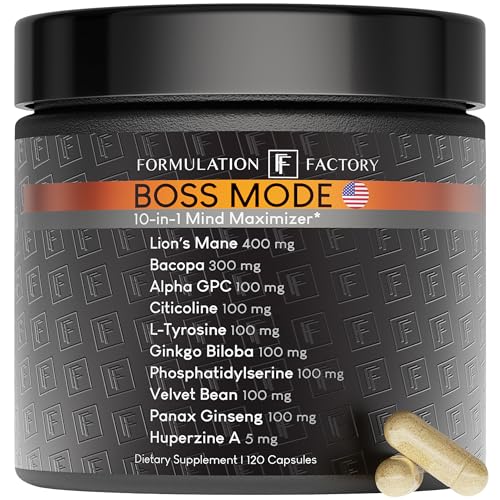
- THE STRUGGLE – Distractions everywhere. Focus fractured. Work piling up but the mind won’t lock in.
- THE BREAKTHROUGH – Success belongs to those who control attention. Narrow your focus, expand your power.
- 10-IN-1 MIND MAXIMIZER – Lion’s Mane, Bacopa, Alpha-GPC, Rhodiola, Ginkgo, L-Theanine, Panax Ginseng, and more. Crafted …
The Science of Sleep and Skin Health
Understanding the intricate relationship between sleep and skin health involves a deep dive into the biological processes that occur during rest. Sleep is not merely a state of inactivity; rather, it is a dynamic period where the body engages in essential reparative activities. Notably, during the deeper stages of sleep, the body produces growth hormone, which plays a crucial role in cellular repair and regeneration. This growth hormone aids in the synthesis of collagen, a vital protein that helps maintain skin elasticity and firmness.
In addition to growth hormone, melatonin, widely known as the sleep hormone, contributes significantly to skin rejuvenation. It helps regulate the body’s circadian rhythms, ensuring that skin cells undergo appropriate cycles of recovery. Melatonin possesses antioxidant properties, which combat oxidative stress caused by environmental factors. This balance of repair and protection attained during quality sleep is paramount for youthful-looking skin.
Moreover, adequate sleep enhances skin hydration and optimizes the skin barrier function. During sleep, the skin’s permeability increases, facilitating better absorption of moisture and nutrients, thereby improving overall hydration levels. Conversely, insufficient sleep can disrupt these processes, leading to compromised skin barrier function. A weakened barrier can result in increased transepidermal water loss, resulting in dry, irritated skin and exacerbating conditions such as eczema or psoriasis.
The cumulative effects of prolonged sleep deprivation manifest in various skin issues, including dark circles, fine lines, and an uneven complexion. As the skin loses its ability to repair itself effectively, the signs of aging become more pronounced. By prioritizing sleep, individuals can foster not only enhanced skin health but also a more resilient and vibrant complexion. A consistent sleep routine is thus essential for maintaining the delicate interplay between rest and skin rejuvenation.
The Aging Process: Sleep’s Role in Aging Skin
As individuals age, the skin undergoes various changes, influenced by both intrinsic and extrinsic factors. One of the most pivotal elements affecting the aging process is sleep. Quality sleep is not merely a restorative period; it plays a crucial role in maintaining the skin’s health and vitality. Research has shown that inadequate sleep can lead to a decline in skin elasticity and an increase in visible signs of aging, such as wrinkles, fine lines, and an uneven skin tone.
When individuals experience chronic sleep deprivation, the body responds by increasing stress hormones, particularly cortisol. Elevated cortisol levels can lead to a breakdown of collagen and elastin—key proteins that help maintain skin structure and firmness. This biochemical response not only accelerates the aging process but also contributes to a decrease in the skin’s overall radiance and complexion. Furthermore, the lack of sleep impairs the body’s ability to repair and regenerate tissues, leading to a more tired appearance.
Promoting better sleep habits can mitigate the negative effects of sleep deprivation on the skin. Aiming for at least seven to nine hours of quality sleep each night is critical. Establishing a consistent sleep schedule, creating a calming bedtime routine, and reducing screen time before bed can significantly enhance sleep quality. Additionally, optimizing the sleep environment—ensuring a dark, cool, and quiet space—can further aid in achieving restorative sleep.
Incorporating relaxation techniques such as meditation or gentle yoga can also promote better sleep quality, thus supporting the skin’s resilience against aging. Investing time into establishing effective sleep habits not only improves overall health but also fosters a youthful, vibrant appearance, showcasing the undeniable link between sleep and skin aging.
Common Skin Issues Linked to Poor Sleep
Insufficient sleep has a profound impact on skin health, leading to various issues that can affect one’s overall appearance and well-being. One of the most prevalent skin conditions linked to poor sleep is acne. When the body is deprived of adequate rest, it triggers an increase in the production of the stress hormone cortisol. Elevated cortisol levels can lead to heightened oil production in the skin, resulting in clogged pores and, consequently, acne breakouts. Additionally, the inflammatory response in the body is exacerbated by lack of sleep, which can worsen existing acne conditions.
Another common skin ailment exacerbated by inadequate sleep is eczema, a condition characterized by inflamed, itchy, and flaky skin. Research indicates that sleep disturbances can activate underlying inflammatory responses in the body, worsening eczema flare-ups. Sleep deprivation compromises the skin’s barrier function, making it more susceptible to irritants and allergens that can trigger eczema. This cyclical relationship between sleep quality and eczema makes it essential for individuals affected by this condition to prioritize restorative sleep as part of their management strategy.
Puffiness, particularly around the eyes, is another visible consequence of poor sleep. When the body experiences insufficient rest, it can lead to fluid retention, causing bags and dark circles to form under the eyes. This phenomenon occurs due to disrupted circulation, which also impacts the skin’s overall appearance, making it look tired and aged. Several studies have highlighted the correlation between sleep quality and the appearance of skin, emphasizing that improved sleep patterns lead to healthier, more vibrant skin.
Overall, the link between sleep and skin health is undeniable. Addressing poor sleep habits can result in significant improvements in skin conditions such as acne, eczema, and puffiness, underscoring the importance of prioritizing quality sleep for optimal skincare.
Tips for Improving Sleep for Better Skin
Achieving better sleep for enhanced skin health requires a multifaceted approach that incorporates various strategies. First and foremost, establishing a consistent sleep routine is vital. Going to bed and waking up at the same time every day helps regulate your body’s internal clock. Aim for seven to nine hours of sleep each night to promote optimal skin recovery during the night. This regularity can significantly impact skin texture and appearance.
Creating a conducive sleep environment also plays a crucial role in improving sleep quality. Ensure that your bedroom is cool, quiet, and dark. Consider the use of blackout curtains, earplugs, and a white noise machine if needed. Additionally, comfortable bedding and a supportive mattress can enhance the quality of your sleep. This environment helps your body enter deeper sleep cycles, which is essential for skin repair and rejuvenation.
Incorporating relaxation techniques before bedtime can aid in winding down after a busy day. Practices such as mindfulness meditation, gentle yoga, or deep-breathing exercises can effectively reduce stress and improve sleep quality. Avoid screens at least an hour before bed, as exposure to blue light can hinder melatonin production, making it harder to fall asleep.
Furthermore, adopting specific lifestyle changes may also bolster skin health through better sleep. Limiting caffeine and alcohol intake, particularly in the hours leading up to bedtime, can improve sleep quality. Additionally, maintaining a balanced diet with skin-friendly nutrients, such as antioxidants, can enhance the effectiveness of sleep in rejuvenating the skin. Consider incorporating an evening skincare routine with hydration-focused products, as this reinforces skin health while you sleep. This holistic approach, combining sleep improvement strategies and skincare, can significantly benefit your skin’s appearance and overall health.