

Understanding Peptides: What They Are and How They Work
Peptides are short chains of amino acids, which serve as the fundamental building blocks of proteins in the skin. This unique chemical structure allows peptides to perform various biological functions within the epidermis, predominantly acting as signaling molecules. By sending messages to skin cells, peptides can stimulate essential processes such as collagen synthesis, hydration, and skin barrier repair.
Different types of peptides play distinct roles in skincare formulations:
- Signal Peptides: These encourage cellular communication, which can promote the production of collagen and elastin, crucial components for skin elasticity and firmness. By signaling fibroblasts (the cells responsible for collagen production), these peptides effectively aid in reducing the appearance of fine lines and wrinkles.
- Carrier Peptides: These function by delivering essential minerals, such as copper, to the skin, facilitating healing and providing antioxidant benefits. They support skin repair, enhancing overall skin health and resilience.
- Enzyme-Inhibiting Peptides: These prevent the breakdown of collagen and elastin by inhibiting the enzymes responsible for their degradation. This function is particularly important for maintaining youthful skin, as it protects against the natural decline in these proteins over time.
The versatility of peptides in skincare underscores their significance in anti-aging formulations. As they promote hydration, improve skin texture, and enhance the overall appearance of the skin, incorporating peptides into a skincare routine may yield notable benefits.
The Key Benefits of Peptides for Aging Skin
Peptides have gained significant attention in the skincare industry due to their myriad benefits, particularly in addressing the challenges posed by aging skin.
1. Smoother Skin with Reduced Wrinkles
One of the primary advantages of incorporating peptides into skincare routines is their ability to stimulate collagen production, which helps to fill in fine lines and create a smoother skin texture. Studies have shown that topically applied peptides can significantly improve skin elasticity and reduce wrinkle depth over time.
2. Enhanced Firmness and Elasticity
Peptides enhance skin firmness and elasticity, two attributes that tend to diminish with age. By promoting the synthesis of vital structural proteins, these compounds contribute to a more youthful and plump appearance. Users often report noticeable firmness in their skin after consistent use of peptide-enriched products.
3. Improved Even Skin Tone and Brightness
Certain types of peptides possess the capability to inhibit melanin production, thereby addressing pigmentation issues and creating a more uniform complexion. This leads to an overall brighter, more even skin tone.
4. Synergistic Effects with Other Ingredients
Peptides work synergistically with other key skincare ingredients. For instance, when paired with antioxidants like vitamin C, peptides can bolster skin repair and protection against environmental damage, resulting in a more radiant complexion. This multifaceted approach makes peptides an integral part of modern anti-aging skincare.
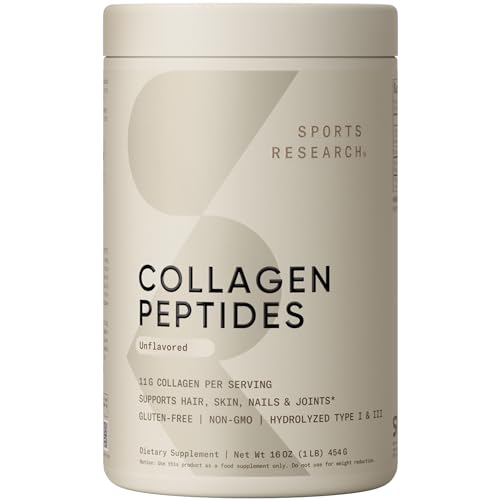
- RADIANT AND YOUTHFUL APPEARANCE: This collagen powder for women and men provides the protein and amino acids to support …
- JOINT SUPPORT: Amino acids support joint health and improve your body’s response to strenuous exercise, making this coll…
- EASY TO USE: Use one scoop of our drink mix daily as a smoothie powder or as a completely soluble protein creamer for co…
Choosing the Right Peptide Products: What to Look For
When selecting peptide-based skincare products, it is essential to pay attention to several key factors to ensure you choose the most effective option for your needs.
1. Peptide Concentration and Types
Look for products that specify their peptide content, as a minimum of 2-5% is generally associated with effective anti-aging benefits. Understand the types of peptides included; for example, signal peptides stimulate collagen, while carrier peptides deliver essential minerals. Choose peptides that align with your specific skincare goals.
2. Packaging and Expiration Date
Peptides can degrade over time, diminishing their effectiveness. It is advisable to select products with a longer shelf life and those in air-tight containers to minimize exposure to light and air, preserving their integrity.
3. Combination with Complementary Ingredients
While powerful on their own, peptides’ effects can be enhanced when combined with hyaluronic acid (for hydration) or antioxidants (for environmental protection). Products that combine peptides with these supporting ingredients may yield more significant anti-aging results.
Finally, consider the product type (serums, creams, masks) that best suits your skin’s needs and anti-aging concerns.

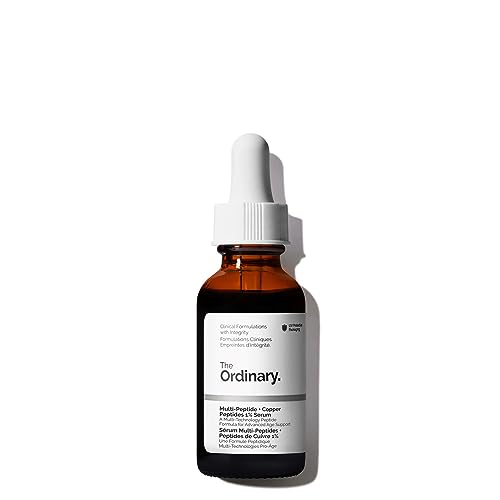
- KOREAN GLASS GLOW SKIN: This pink glow serum targets dull skin and boosts elasticity, helping to prevent future breakout…
- SALMON DNA PDRN: Salmon DNA PDRN is a form of DNA extracted from salmon. It stimulates skin renewal and repair, giving y…
- KEY INGREDIENTS: Containing Salmon DNA PDRN, five types of peptide complex, niacinamide, adenosine, and Ocimum Sanctum (…
Incorporating Peptides into Your Skincare Routine
Incorporating peptides into your skincare regimen can significantly enhance its efficacy and promote a more youthful appearance.
1. Optimal Order of Application
As a general rule, peptides should be applied after cleansing and toning, but before heavier creams or oils. This allows them to penetrate deeply into the skin, maximizing their benefits. A typical routine: cleanse, tone, apply peptide serum, then follow with moisturizer and sunscreen (during the day).
2. Frequency of Use and Skin Response
Most experts recommend using peptide-based products once or twice daily. However, pay attention to your skin’s response, especially if you are new to peptides. Start with a lower frequency and gradually increase it as your skin acclimates.
3. Patch Testing and Gradual Introduction
Patch testing is essential, particularly for sensitive skin. Apply a small amount on a discreet area (behind your ear or inner arm) to check for adverse reactions before incorporating it fully. Introduce peptides gradually into your routine, rather than all at once, to monitor your skin’s tolerance.
4. Pairing with Complementary Ingredients
For optimal results, consider pairing peptides with antioxidants and retinoids. Antioxidants enhance cellular repair alongside peptides, while retinoids encourage skin renewal, working synergistically to improve overall skin appearance.
By following these guidelines, you can effectively incorporate peptides into your skincare routine and maximize their potential benefits.