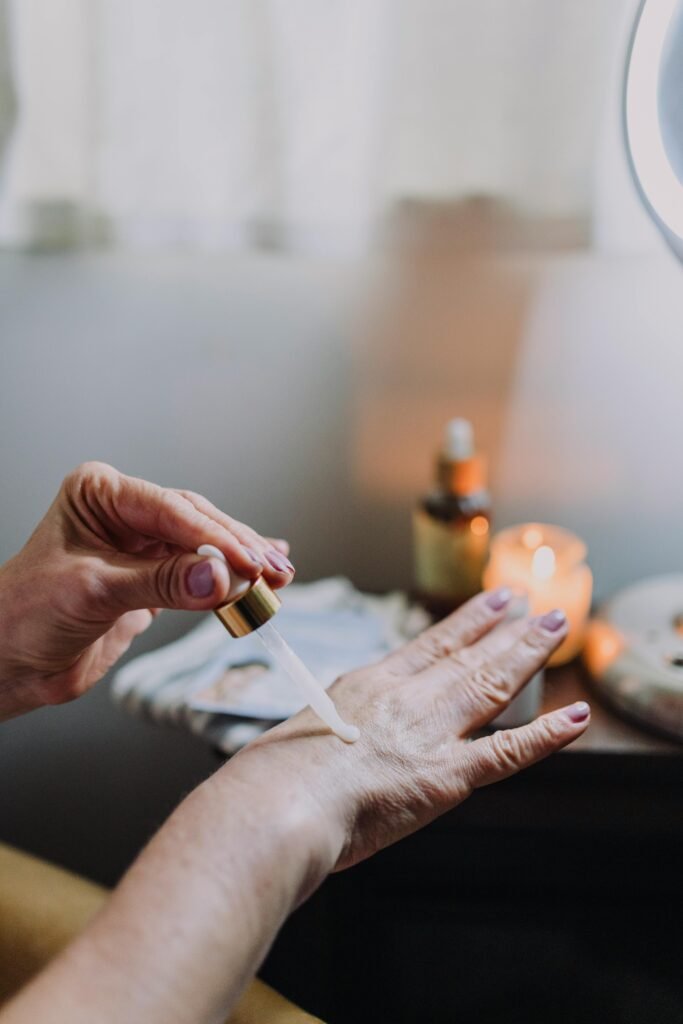
Introduction to Retinol and Bakuchiol
In the world of skincare, Retinol and Bakuchiol stand out as two powerful ingredients known for their anti-aging benefits. However, their origins and how they work on the skin differ significantly.
Retinol: The Proven Anti-Aging Champion
A derivative of vitamin A, retinol has long been a staple in the skincare industry due to its potent anti-aging properties. It primarily works by promoting cell turnover and stimulating collagen production, thereby enhancing the skin’s texture and tone. Its clinically proven effectiveness in reducing the appearance of fine lines, wrinkles, and pigmentation irregularities makes it a go-to ingredient in many anti-aging routines.

Bakuchiol: The Natural Alternative
On the other hand, Bakuchiol has rapidly gained prominence as a natural alternative to retinol. Derived from the seeds and leaves of the Psoralea corylifolia plant, bakuchiol has been used in traditional medicine for centuries but has only recently emerged in modern skincare. Unlike retinol, bakuchiol works by mimicking some of the same biological processes without the associated side effects often linked with retinoids, such as irritation, dryness, and sun sensitivity. This makes bakuchiol an appealing option for those with sensitive skin who seek the anti-aging benefits traditionally provided by retinol.
Today’s consumers are increasingly discerning about the ingredients they apply to their skin. The rise of bakuchiol, being plant-based and vegan-friendly, reflects a growing demand for sustainable and natural products. Understanding the origins, mechanisms, and popularity of both retinol and bakuchiol is essential for navigating your skincare choices.
Benefits and Considerations of Retinol
Retinol has become a staple in skincare routines for very good reasons.
Key Benefits of Retinol
- Reduces Fine Lines and Wrinkles: By promoting cellular turnover, retinol helps unveil fresher, more youthful skin. Research indicates that consistent use can lead to substantial improvements in the appearance of aging skin.
- Enhances Skin Texture and Tone: It aids in the production of new skin cells, replacing damaged or dull cells with healthier alternatives. This revitalization significantly improves skin texture, resulting in a smoother, more radiant appearance.
- Acne Treatment and Hyperpigmentation Reduction: Retinol prevents pores from becoming clogged, thus reducing acne lesions. It also helps diminish hyperpigmentation, such as dark spots and uneven skin tone, contributing to a more uniform complexion.
Potential Side Effects
While retinol offers numerous advantages, potential side effects are associated with its use, particularly for those with sensitive skin. Individuals may experience irritation, dryness, or redness when first introducing retinol into their regimen. To mitigate these issues, it is often recommended to start with lower concentrations and gradually increase usage. This approach allows the skin to acclimate, minimizing adverse effects while still reaping the benefits.
Benefits of Bakuchiol
Plant-derived bakuchiol offers many advantages as a natural alternative to retinol.
Key Benefits of Bakuchiol
- Improves Skin Elasticity: Research indicates that regular application can lead to firmer and more resilient skin, making it an effective choice for those seeking to maintain a youthful appearance without the irritation often accompanying traditional retinol products.
- Promotes Even and Brighter Skin Tone: Bakuchiol’s intrinsic antioxidant properties help protect the skin from oxidative stress, a precursor to uneven pigmentation and dullness. By promoting a more radiant complexion and reducing the appearance of dark spots, bakuchiol helps achieve a brighter, more uniform skin tone.
- Anti-Aging Without Irritation: Bakuchiol has demonstrated efficacy in reducing visible signs of aging, such as fine lines and wrinkles, without the associated side effects commonly linked to retinol. This characteristic makes it particularly appealing to those with sensitive skin. Clinical studies have even shown bakuchiol can yield results comparable to retinol in terms of wrinkle reduction.
Overall, bakuchiol emerges as a versatile and skin-friendly option for individuals striving to enhance their skincare routine while minimizing potential irritation. Its natural origin and beneficial properties make it a compelling choice for a broader audience seeking effective solutions for aging skin.
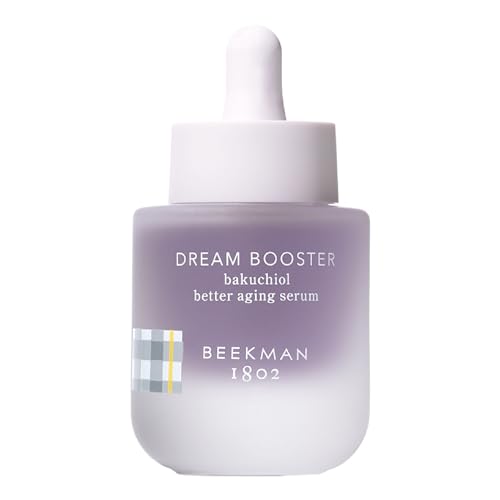
- ANTI-AGING SERUM – An age-defying serum with bakuchiol, a clinically proven, plant-based retinol alternative that is 4x …
- BENEFITS – Our formula helps to clear & minimize the appearance of pores. Sunflower, jojoba & squalane combine for a wei…
- SUGGESTED USE – Apply 1-2 drops on clean, dry skin after cleansing as part of your nighttime routine. Use it alone or wi…
Retinol vs Bakuchiol: What You Need to Consider
Deciding between retinol and bakuchiol involves a careful assessment of your individual skin type, specific concerns, and personal values regarding skincare.
- Retinol might be better for you if:
- You have oily or acne-prone skin.
- You are concerned with deeper wrinkles or significant texture issues.
- You seek more powerful and clinically proven results.
- Your skin has tolerance for retinol.
- You are prepared to manage initial irritation or dryness.
- Bakuchiol might be better for you if:
- You have dry or sensitive skin.
- You have experienced irritation or redness with retinol in the past.
- You are pregnant or breastfeeding (always consult a doctor).
- You prefer natural, plant-derived, or vegan ingredients.
- You seek gentle yet effective anti-aging benefits.
Key Considerations
- Skin Sensitivity: If you have sensitive skin, starting with bakuchiol is often a wiser choice.
- Goals: For more aggressive change, retinol; for gentle but steady effects, bakuchiol.
- Lifestyle & Values: If natural ingredients or vegan principles are important to you, bakuchiol aligns better.
- Start with a Patch Test: Regardless of which ingredient you choose, always perform a patch test to assess any potential reactions.
- Gradual Introduction: Begin with a low concentration and gradually increase usage as your skin builds tolerance, paying attention to how your skin responds.
By taking these factors into account, you can determine whether retinol or bakuchiol can be safely and effectively incorporated into your daily skincare routine.