What Are Stress Hormones?
When life feels chaotic, your body releases stress hormones—mainly cortisol and adrenaline—to help you cope. This natural “fight-or-flight” response is designed to protect you in the short term.
-
Cortisol: Known as the stress hormone, it regulates metabolism, immune function, and inflammation.
-
Adrenaline (epinephrine): Gives you an instant surge of energy and focus when faced with a challenge.
While these hormones are useful in small doses, chronic stress keeps them elevated—and that’s when they can start to impact your skin and overall health.
How Stress Affects Your Skin (and What to Look For)
When stress lingers, it can trigger a chain reaction in your skin. Here’s how:
1. Breakouts & Acne
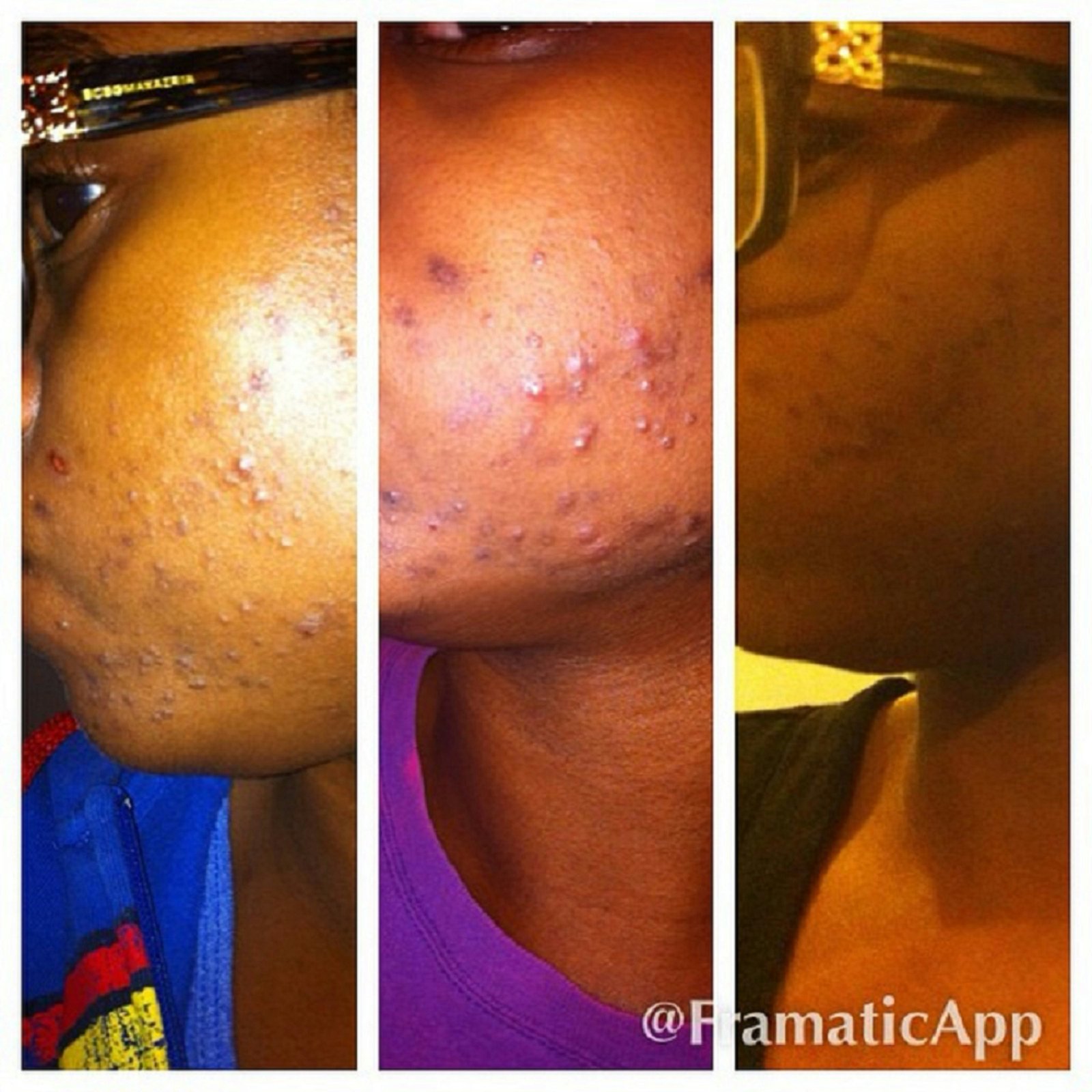
Excess cortisol increases oil production, clogging pores and causing hormonal breakouts—often along the jawline or chin.
2. Inflammation & Flare-Ups
Stress can worsen inflammatory skin conditions like:
-
Eczema
-
Psoriasis
-
Rosacea
If you notice more redness, itching, or sensitivity during stressful times, your skin may be responding to internal inflammation.
3. Dryness & Dullness
Elevated cortisol weakens your skin’s barrier, reducing its ability to retain moisture. The result? A dehydrated, tired-looking complexion.
4. Slower Healing
Stress interferes with your skin’s natural repair process, so blemishes and irritations may take longer to fade.
How to Manage Stress for Healthier Skin
The good news? You can absolutely take control. These simple, science-backed habits help calm both your body and your skin.
1. Practice Mindfulness
Just 5–10 minutes a day of meditation, deep breathing, or journaling can lower cortisol levels and activate your body’s relaxation response.
2. Get Moving
Exercise improves circulation, helps flush out toxins, and releases endorphins—the “happy” hormones. Try:
-
30 minutes of gentle movement (walking, yoga, Pilates) most days
-
Strength training twice a week to boost resilience
3. Eat Skin-Loving Foods
Nourish your body with:
-
Berries & leafy greens for antioxidants
-
Fatty fish & walnuts for omega-3s
-
Whole grains & seeds for minerals and fiber
And don’t forget to hydrate—glowing skin starts from the inside out.
4. Create a Calming Self-Care Routine
Dedicate time to unwind with:
-
A soothing skincare ritual featuring hyaluronic acid or botanical extracts
-
A warm bath or face mask
-
Aromatherapy with lavender or chamomile to ease the mind
When to See a Professional
If skin flare-ups or stress symptoms persist, it’s completely okay to seek support.
-
A dermatologist can help identify your skin’s stress triggers and recommend effective treatments.
-
A therapist or counselor can guide you in managing anxiety, which often improves skin health, too.
Taking care of your emotional well-being is one of the best skincare investments you can make.
A Gentle Reminder: Your Skin Reflects Your Inner World
Your skin isn’t just your outer layer—it’s a reflection of your inner state. By understanding the deep connection between stress, hormones, and skin health, you can nurture both your mind and your complexion.
So next time your skin feels out of balance, take a slow, deep breath.
Check in with yourself.
And remember—radiance begins when you treat yourself with kindness, inside and out.

- Formulated with a complex of B Vitamins and Vitamin C
- Energy Production & Stress Relief ♦
- 100 Vegetable Capsules, 50 Servings