
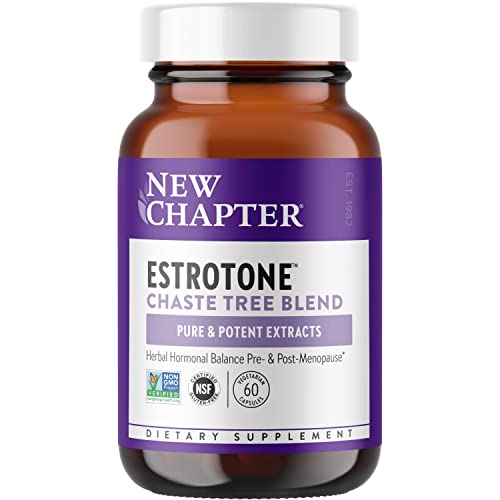
- REDUCE HOT FLASHES: Stay cool with expertly crafted Black Cohosh capsules for reducing night sweats and hot flashes
- TRUSTED MENOPAUSE SUPPLEMENT: ONE DAILY comfort formulated for women pre-menopause, in peri-menopause and post-menopause
- HORMONE BALANCE: Stabilize disruptive ups and downs with potent hormone-balancing herbs for women including supercritica…
Understanding Hormones and Their Impact on Skin and Mood
Hormones are the body’s quiet messengers — biochemical signals that influence everything from metabolism and mood to how your skin looks and feels. When they’re in balance, you feel vibrant and stable. But when they fluctuate, your skin and emotions often reveal the first signs of change.
Hormonal shifts can lead to dryness, dullness, acne, or premature aging. At the same time, they can trigger mood swings, anxiety, or fatigue. Key hormones like estrogen, progesterone, testosterone, cortisol, and insulin work together to keep your skin and mood in harmony.
For example, elevated cortisol — the stress hormone — can overstimulate oil glands, leading to breakouts. Meanwhile, declining estrogen during perimenopause or menopause can cause dryness and fine lines. These internal changes affect not just appearance, but also confidence and emotional balance.
The connection runs deeper: hormones interact with neurotransmitters that regulate mood, such as serotonin and dopamine. When your skin struggles, it can impact how you feel about yourself, creating a cycle where stress and self-consciousness further disrupt skin healing.
Understanding how hormones shape both complexion and mood is essential for long-term wellness. Balancing your hormones isn’t only about beauty — it’s about nurturing emotional strength and inner peace as well.
Recognizing Signs of Hormonal Imbalance
Hormonal imbalances often whisper before they shout. They can appear subtly through changes in your skin, energy, or emotions. Learning to recognize these signs can help you take early steps toward restoring balance.
-
Estrogen fluctuations may cause dryness, sensitivity, or dullness. Low estrogen can make fine lines more visible, while excess levels can increase oiliness and breakouts.
-
Progesterone helps calm the nervous system, so when it drops, you might feel anxious, irritable, or experience poor sleep. Skin may appear less radiant and more reactive during these times.
-
Testosterone, though present in smaller amounts in women, plays a role in vitality and skin texture. Low levels can cause fatigue and dry skin, while high levels may trigger excess hair growth or acne.
-
Cortisol, produced during stress, can deplete the skin’s barrier and worsen eczema or psoriasis. It can also heighten anxiety or low mood, creating a feedback loop of stress and imbalance.
If you notice recurring skin changes paired with emotional fluctuations — like persistent acne, fatigue, or irritability — it may be your body’s way of signaling that your hormones need attention. Listening to these cues is the first step toward healing from within.
Lifestyle Shifts for Better Hormonal Balance
Hormonal harmony starts with daily habits that support your body’s natural rhythms. By caring for your nutrition, movement, and mental well-being, you can gently guide your hormones — and your skin — back into balance.
1. Nourish with whole foods.
Eat a diet rich in colorful fruits, vegetables, whole grains, and lean proteins. Include omega-3-rich foods like salmon, flaxseeds, and walnuts, which support hormone regulation and skin elasticity. Foods high in antioxidants — berries, leafy greens, and green tea — help combat inflammation and oxidative stress.
2. Move your body regularly.
Exercise improves circulation, detoxifies the skin, and reduces cortisol levels. A mix of cardio, strength training, and restorative practices like yoga or Pilates can enhance both hormonal balance and mood.
3. Manage stress mindfully.
Chronic stress is one of the biggest disruptors of hormone health. Simple practices such as deep breathing, journaling, meditation, or even spending time in nature can help restore calm and regulate cortisol.
4. Prioritize sleep.
Your body resets at night — and so do your hormones. Aim for 7–9 hours of quality sleep, minimize screen time before bed, and keep your bedroom cool, dark, and quiet. A consistent bedtime routine supports balanced hormone production and a glowing complexion in the morning.
Together, these habits create a foundation for emotional stability, clear skin, and renewed energy — the ultimate trio for inner and outer beauty.
When to Seek Professional Guidance
Sometimes, even with the best self-care practices, hormones may need expert support. Persistent symptoms like irregular cycles, sudden weight changes, severe acne, hair loss, or mood instability are signs to consult a professional.
Endocrinologists and dermatologists can help uncover the root causes of imbalance through lab testing and medical evaluation. Conditions such as PCOS (polycystic ovary syndrome) or thyroid dysfunction may require targeted treatment or hormone therapy.
Dermatologists may recommend topical solutions or medications for hormonally triggered skin concerns, while endocrinologists can provide hormonal or nutritional guidance. Regular checkups and open communication with your healthcare provider are key to preventing long-term issues.
As endocrinologist Dr. Sarah Thompson wisely notes:
“Understanding your hormones is an act of self-empowerment. The earlier you listen to your body, the easier it becomes to restore balance and well-being.”
Remember — seeking help is not a weakness but a form of self-respect. Caring for your hormones means caring for your whole self — mind, body, and skin alike.
A Gentle Closing Thought
True balance isn’t about perfection — it’s about awareness.
When you nourish your body, manage stress with grace, and give yourself the rest you deserve, your hormones will naturally find harmony.
And when that happens, your skin glows brighter, your mood steadies, and you begin to feel aligned — both inside and out.
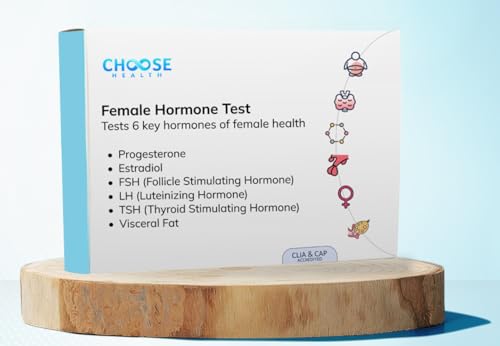
- 6-IN-1 HEALTH TEST KIT: P, E, TSH, FSH, LH and Visceral Fat Measurement.
- SINGLE SAMPLE OF BLOOD, EASY TO USE: Collect a single sample of blood with a painless at home finger prick test. Then se…
- FAST ACCURATE RESULTS: Receive your results on the Choose Health App in 5-10 days.