If you’re over 40 and debating between 0.5% and 1% retinol, you’re not alone.
Common questions include:
- Does 1% deliver faster results?
- Is 0.5% too weak for mature skin?
- Why does my skin react more now?
The truth: Stronger isn’t always better.
Skin after 40 undergoes specific changes that demand a smarter approach. This article breaks down the science so you can choose confidently.
How Your Skin Changes After 40: The 5 Key Shifts
Your 40s bring wisdom — and subtle skin shifts driven by hormones, genetics, and time. These aren’t flaws; they’re biology. Understanding them explains why retinol feels different now.
1. Collagen and elastin decline.
Collagen (structure) and elastin (bounce) drop ~1% yearly after your late 30s. Fibers fragment, causing fine lines around eyes, mouth, and jaw to deepen. Retinol rebuilds this — but weakened foundations amplify irritation.
2. Skin barrier thins out.
The stratum corneum (outer layer) loses density, letting moisture escape and irritants enter. This “weaker shield” makes actives like retinol penetrate faster — great for efficacy, risky for redness.
3. Ceramide production plummets.
Ceramides (lipid “glue”) seal cells and lock in hydration. Levels crash post-40, leading to dryness, tightness, and sensitivity. Retinol can strip these further, worsening flaking.
4. Sebum (oil) output slows.
Less natural oil means drier texture and dullness. Your protective film thins, so products absorb deeply — intensifying retinol’s sting on cheeks or T-zone.
5. Cell turnover drags.
20s cycle: ~28 days. 40s: 45–50+ days. Slow renewal builds dullness, rough texture, and clogged pores. Retinol accelerates this — but overkill stresses fragile skin.
Bottom line: 40+ skin is thinner, drier, and more reactive. High-strength retinol risks barrier damage over benefits.
Why 0.5% Retinol Is the Smart Choice for Most Over 40
0.5% strikes the perfect balance: Effective yet gentle.
Dermatologists often recommend it as the “Goldilocks” strength for mature skin starters.
Proven benefits:
- Visible smoothing and pore refinement in 3–6 months
- 50% lower irritation risk vs. 1%
- Steady collagen boost without overload
- 85%+ long-term adherence rate
Ideal for:
- Upgrading from 0.2–0.3%
- Dry, sensitive, or combo skin
- Anyone prioritizing consistency over speed
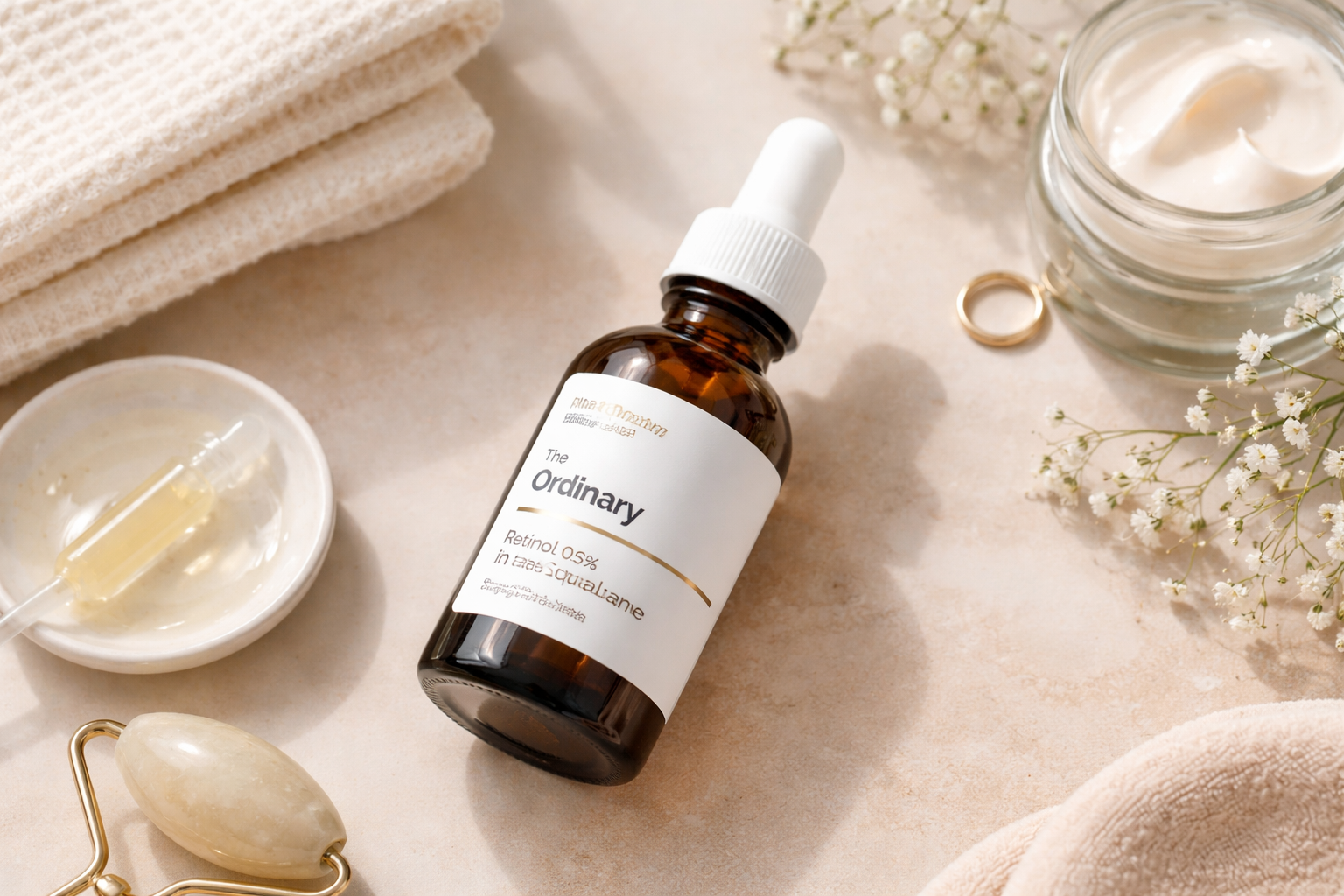
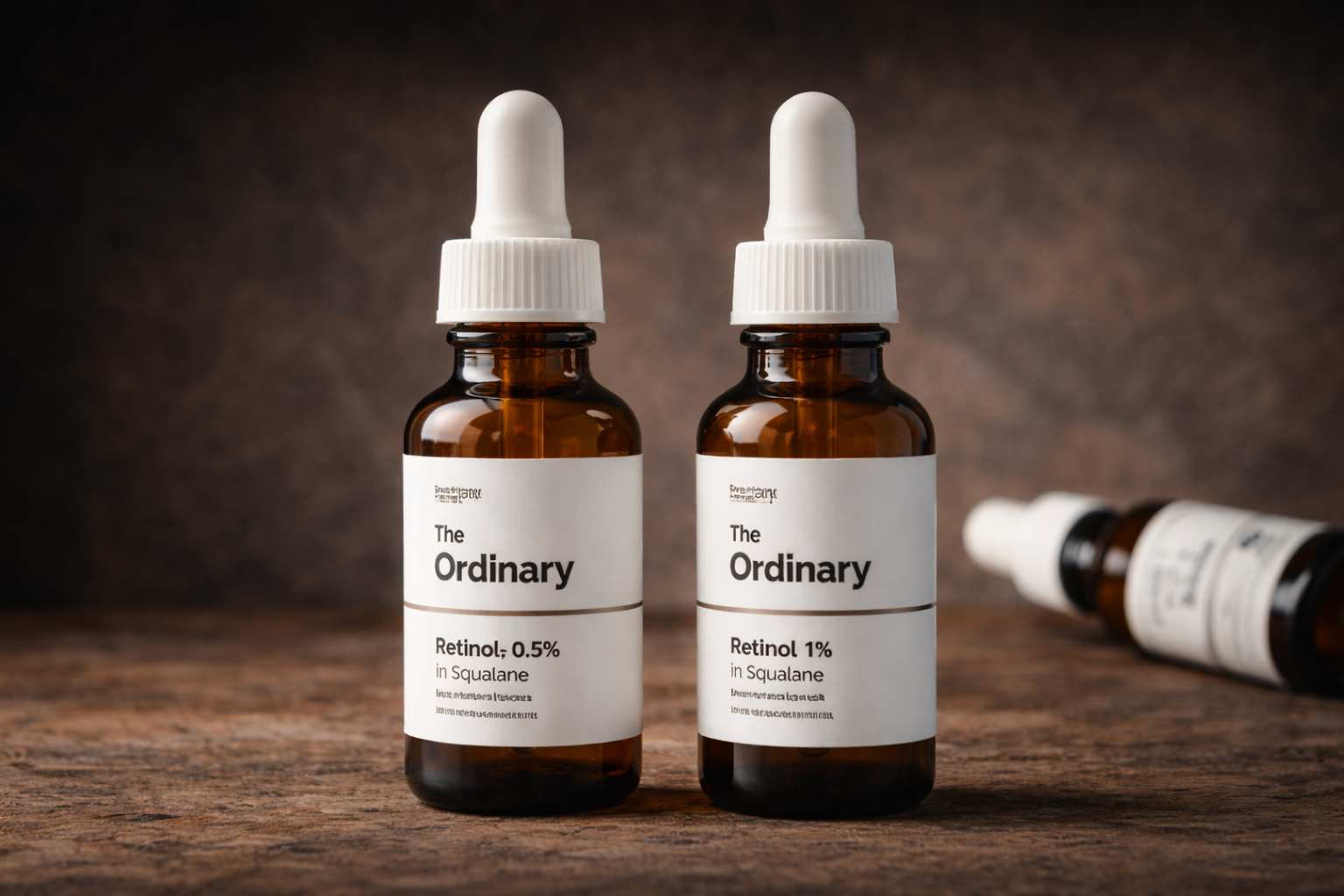
👉 Shop The Ordinary Retinol 0.5% in Squalane

When 1% Retinol Makes Sense (And When It Doesn’t)
1% packs a punch — but it’s advanced-level only.
It accelerates turnover twice as fast, targeting deeper lines and pigmentation.
Advantages:
- Quicker firmness and glow (2–4 months)
- Stronger for stubborn texture
Major risks for 40+ skin:
- Frequent redness, peeling, or burning
- Barrier breakdown (worsens dryness)
- High dropout rate (~45%)
- 1–2 weeks recovery if overused
Best for:
- 6+ months on 0.5% without issues
- Resilient, oilier skin types
- Weekly use with heavy buffering
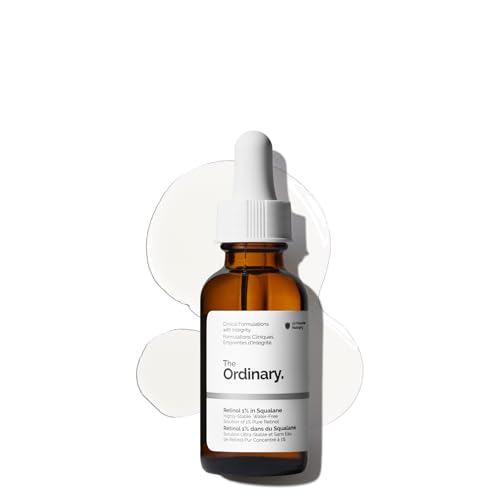
👉 Shop The Ordinary Retinol 1% in Squalane
3 Myths About Retinol After 40 — Busted
Myth 1: Higher % = Better Results ❌
Truth: Consistency trumps intensity. Daily 0.5% outperforms sporadic 1%.
Myth 2: Irritation Means It’s Working ❌
Truth: Tingling signals damage. True progress feels mild or neutral.
Myth 3: One Size Fits All ❌
Truth: Test your tolerance. Patch-test and build slowly.
Quick Comparison Table:
| Strength | Results Timeline | Irritation Risk | Adherence Rate | 40+ Recommendation |
|---|---|---|---|---|
| 0.5% | 3–6 months | Low | 85% | ★★★★★ |
| 1% | 2–4 months | High | 45% | ★★☆☆☆ |
Your Step-by-Step Retinol Plan After 40
Step 1: Beginners/Mid-Level → Start 0.5%.
2–3x/week at night, sandwich with moisturizer. Assess at 3 months.
Step 2: Experienced → Trial 1%.
After 6 months on 0.5%, introduce 1x/week. Never rush.
Golden Rule: Slow and steady wins. Healthy barriers yield glowing, lasting results.