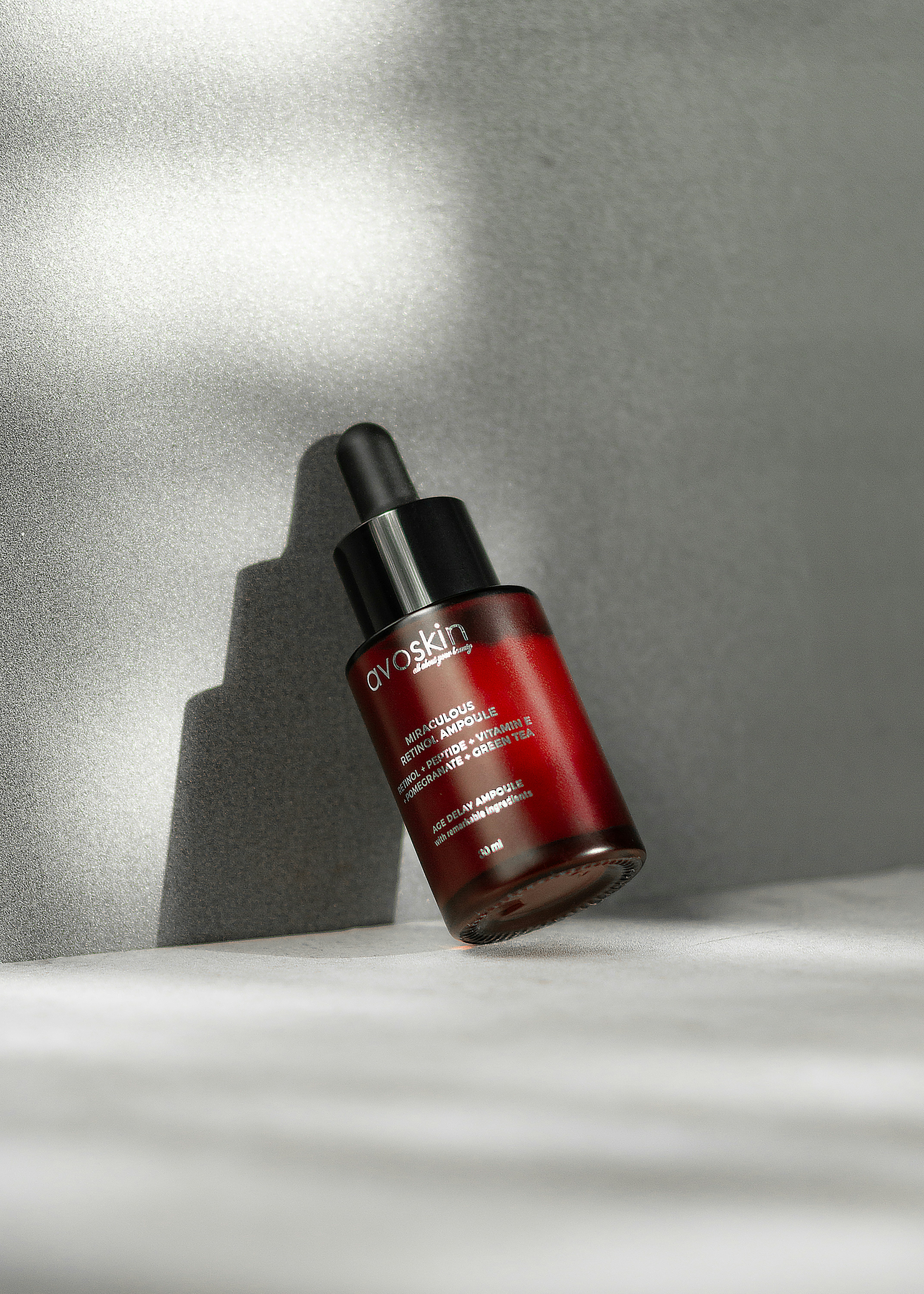


- [ RETINOL FOR FACE ] This anti aging serum leverages encapsulated retinol with MVE Technology to ensure efficient delive…
- [ WRINKLE SERUM ] Face serum formulated with retinol to refine texture and diminish fine lines. Wrinkle remover for face…
- [ GENTLE ON SKIN ] Apply this fragrance-free, non-comedogenic retinol serum in the evening, building up to daily use to …
Understanding Retinol: What It Is and How It Works
Retinol, a derivative of Vitamin A, plays a critical role in dermatology and skincare. As one of the most researched and widely recommended ingredients, retinol is celebrated for its ability to improve skin texture, diminish fine lines, and enhance overall skin appearance. It works at a cellular level, promoting increased cell turnover, which helps to slough off dead skin cells and reveal a fresher, more youthful complexion beneath. This process not only aids in reducing the visibility of wrinkles but also contributes to a more even skin tone and surface.
The mechanism of action for retinol primarily involves its conversion into retinoic acid once it penetrates the skin. Retinoic acid binds to specific receptors within skin cells, triggering a cascade of biological processes that stimulate collagen production and accelerate the renewal of skin cells. Collagen is essential for maintaining skin firmness and elasticity, and by boosting its production, retinol helps to combat the signs of aging that typically become more pronounced after the age of 40.
It is important to distinguish between retinol and other forms of Vitamin A, such as retinoids, which are generally stronger and often available by prescription. Retinol typically offers a milder effect, making it suitable for individuals with varying skin sensitivities. Additionally, retinol is usually offered in different concentrations in commercial skincare products, allowing users to select appropriate strength based on their skin type and tolerance levels. As one aims to incorporate retinol into a skincare regimen, starting with a lower concentration and gradually increasing it can help minimize potential irritation while maximizing its benefits for the skin.
The Aging Process: How Skin Changes After 40
Aging is a natural biological process that significantly impacts women’s skin, particularly after the age of 40. As women reach this milestone, they commonly experience a decline in collagen and elastin production. These proteins are essential for maintaining the skin’s elasticity and firmness. The gradual reduction in their synthesis leads to visible signs of aging, such as fine lines and wrinkles. The skin may no longer retain its youthful plumpness, resulting in a more pronounced appearance of these age-related changes.
Moreover, women in their 40s often encounter increased dryness due to a decrease in oil production. This lack of moisture can contribute to a rough texture and accentuate the presence of wrinkles. As skin becomes drier, it loses its ability to reflect light, leading to a more lackluster and tired appearance. It is not uncommon for individuals to notice their skin appearing duller, further emphasizing the need for alterations in skincare routines.
Additionally, hormonal changes during this period can result in varying skin types. Some may experience an increase in sensitivity or even the onset of conditions such as adult acne. This fluctuation in skin condition can complicate the establishment of an effective skincare regimen, making it essential to tailor approaches to individual needs.
Given these combined factors, the necessity for effective skincare solutions becomes increasingly important. Women over 40 should consider integrating targeted treatments that specifically address these concerns. Retinol emerges as a powerful ally in combating the signs of aging. Its ability to stimulate collagen production, enhance skin texture, and promote cell turnover makes it a vital component of skincare for women navigating the challenges of aging after 40. By appropriately incorporating retinol into their routines, women can take proactive steps toward achieving healthier, more youthful skin.
Benefits of Retinol for Mature Skin
Retinol, a derivative of vitamin A, is celebrated for its multifaceted benefits, particularly for women over 40. As skin matures, it undergoes a variety of changes, including decreased collagen production and slower cell turnover. This can manifest as fine lines, wrinkles, uneven skin tone, and age spots. Incorporating retinol into a skincare routine can significantly address these concerns, reviving the skin’s youthful appearance.
One of the primary benefits of retinol is its ability to reduce fine lines and wrinkles. Clinical studies have demonstrated that consistent use of retinol can promote collagen synthesis, which is crucial for maintaining skin elasticity and firm structure. Additionally, retinol accelerates cell turnover, aiding in the shedding of dead skin cells and revealing smoother, more radiant skin underneath.
Moreover, retinol is effective in improving skin tone and texture. Many women in their 40s notice uneven pigmentation and roughness as they age. Retinol works by promoting the production of new skin cells, which helps to fade hyperpigmentation and other age-related discolorations, giving the skin a more uniform appearance. Enhanced texture is an added boon, as it imparts a youthful smoothness, making the skin feel revitalized and refreshed.
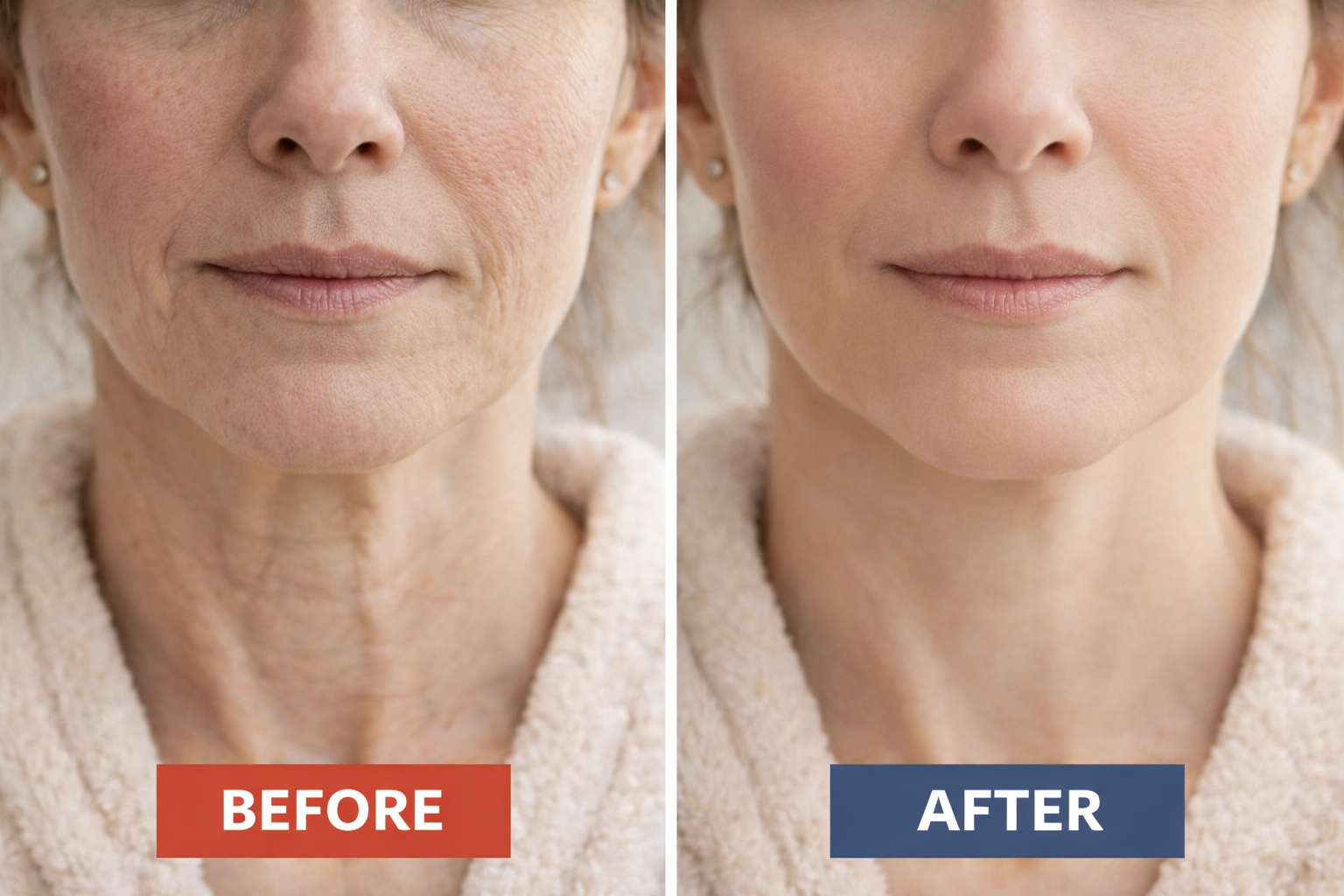
Age spots, often a persistent concern for mature women, can also be minimized with retinol. The ingredient can inhibit melanin production, reducing the visibility of these dark patches over time. As a result, users frequently report not only a clearer complexion but also an increase in overall radiance. Many testimonials highlight transformations, with individuals observing remarkable improvements in their skin’s health and glow after a few months of consistent retinol use.
In conclusion, the myriad benefits of retinol make it an essential component of any mature woman’s skincare regimen. Its ability to diminish fine lines, enhance texture, and combat age spots underscores its transformative potential, promoting healthier, younger-looking skin.
Incorporating Retinol Into Your Skincare Routine: Tips and Best Practices
Incorporating retinol into your skincare regimen can greatly enhance skin texture, tone, and firmness, particularly for women over 40. However, it is crucial to approach it with care to minimize irritation and maximize benefits. Start by choosing a retinol product with a low concentration, typically around 0.25% to 0.5%. This allows your skin to gradually adapt to the active ingredient without overwhelming it. Always perform a patch test on a small area of your skin to determine how your complexion reacts before applying the product to your entire face.
Once acclimated to the initial concentration, you can gradually increase usage frequency. Begin by applying retinol once or twice a week, slowly adding more days as your skin builds tolerance. Monitor your skin for any signs of irritation, such as redness or peeling. If these occur, reduce usage to allow for recovery. It’s essential to apply retinol in the evening, as it can increase skin sensitivity to sunlight. Therefore, applying a broad-spectrum sunscreen during the day is imperative to protect your skin and maintain its health while using retinol.
Additionally, consider incorporating complementary skincare products to enhance the efficacy of retinol. Hydrating serums containing hyaluronic acid or niacinamide can help combat potential dryness associated with retinol use. Also, ensure that your routine includes antioxidants, such as vitamin C, which can work synergistically with retinol for improved results. Lastly, healthy lifestyle habits, such as staying hydrated, maintaining a balanced diet, and ensuring sufficient sleep, can further support your skin’s appearance, allowing retinol to work effectively. Following these tips will lead to a more pleasant experience as you integrate retinol into your skincare routine.
Table not found.